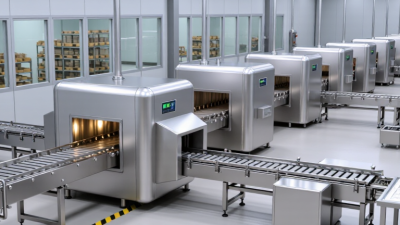
Choosing food production machinery is rarely a simple brand decision. A line that handles crisp vegetables may not suit sticky dough or delicate dairy products. Food manufacturing equipment must match product texture, production volume, cleaning routines, available floor space, and local service support. Small details matter. A worn seal or difficult changeover can affect an entire shift.
This overview examines ten manufacturers with established roles across processing, packaging, mixing, filling, baking, and related operations. It considers practical factors such as equipment range, automation options, hygienic design, energy use, installation support, and parts availability. These are useful comparison points, not a universal scorecard. A large multinational may offer broad integration, while a specialist supplier may understand one process more deeply. Neither is automatically the better choice. Costs and capabilities also vary by region and project.
Buyers should verify specifications against their own products and operating conditions. Ask for documented throughput, product-contact materials, cleaning requirements, and references from comparable plants. Visit a working installation when possible. It helps to see the machine after several hours, not just during a polished demonstration. Manufacturer information can change, and regional service quality may differ. That deserves attention. This list is a starting point, not a purchasing verdict; even careful comparisons can miss the realities of a particular factory. The right choice depends on evidence, trials, and the people who will run the line.
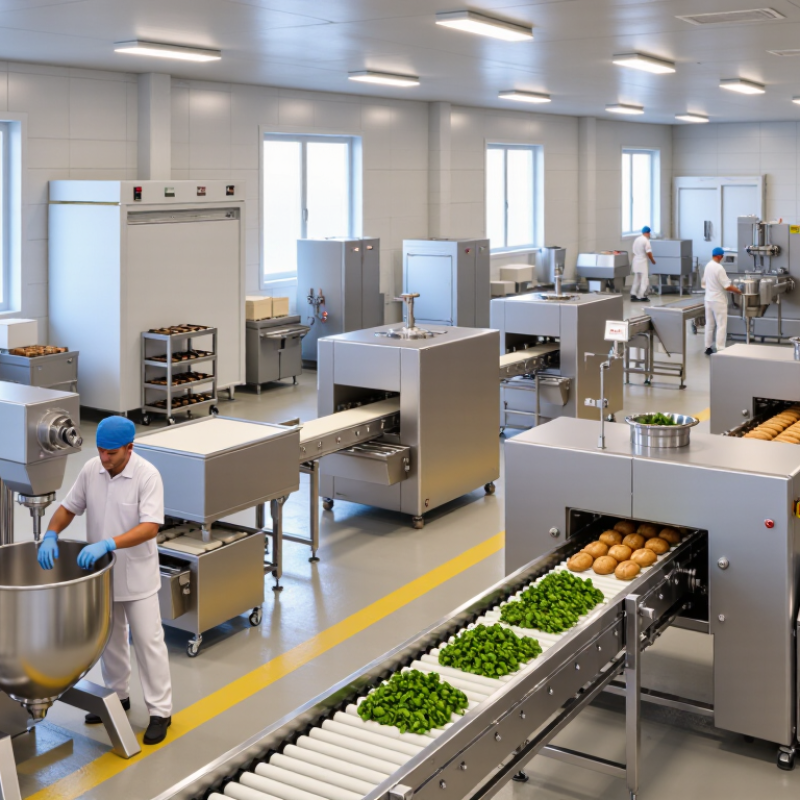
Evaluating food manufacturing equipment manufacturers requires more than comparing catalog speeds. A credible review checks hygienic design, cleanability, changeover time, operator safety, and access to replacement parts. Test equipment with the actual product, not only an ideal sample. Record saleable output, rejected units, downtime, and water and energy use per kilogram. FAO’s 2023 report on food and agriculture-related SDG indicators estimated that 13.2% of food was lost between harvest and retail in 2021. That figure does not measure equipment performance directly, but it underscores why yield and process control deserve attention. Numbers can mislead.
Buyers should request documented factory trials and references from comparable production lines. During a site visit, look for residue around seals, awkward cleaning points, and delays after a format change. Ask how service response times and spare-part availability are tracked, then verify the answers against operating records. UNEP’s Food Waste Index Report 2024 estimated that 1.05 billion tonnes of food were wasted in households, food service, and retail in 2022. Manufacturing equipment cannot solve all downstream waste, yet dependable portioning and fewer rejected batches can help prevent avoidable losses. No scorecard is perfect. Product mix, staffing, and maintenance practices affect results, so evaluation should include those conditions rather than treating the machine as the only variable.
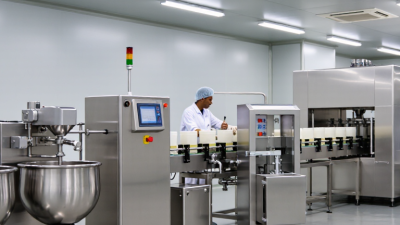
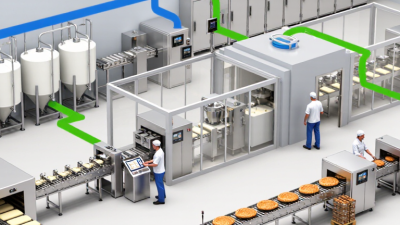
Food production lines rely on several equipment categories, each handling a different point of the process. Receiving systems move ingredients from trucks into production. Washers and sorters remove soil and separate damaged produce. Then cutters, mills, and mixers create consistent sizes and blends. Small differences matter. A poorly mixed batch can change texture from one end of a package to the other. Forming equipment shapes dough, meat, or plant-based mixtures, while ovens, fryers, and pasteurizers apply controlled heat. Temperature sensors and well-maintained conveyors help operators spot uneven processing early.
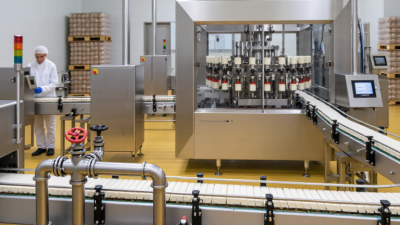
Filling and sealing machines portion products into containers, while checkweighers and inspection systems help detect missing product or foreign material. Refrigeration and freezing equipment protect temperature-sensitive foods after processing. Cleaning-in-place systems also matter; residue in pipes or tanks can create sanitation risks and costly downtime. The categories connect, but they do not work perfectly in isolation. A fast filler cannot fix an inconsistent mixture. FAO’s 2019 report, The State of Food and Agriculture, estimated that 14% of food was lost between harvest and retail. Better handling and processing equipment can help reduce some losses, but equipment alone is not a guarantee. Real production lines are messier than diagrams suggest. Operators still need to check settings, product quality, and equipment performance.
Profiles of ten leading food manufacturing equipment manufacturers reveal how specialization shapes production lines. These profiles compare capabilities, not rankings.
A European bakery-equipment maker may focus on mixers, proofers, and tunnel ovens, where steady heat supports consistent loaves. A North American processing-equipment manufacturer may build modular cutting and portioning systems, with guards that simplify routine cleaning. An East Asian packaging specialist may integrate filling, sealing, and inspection stations to reduce handoffs. A grain-equipment producer may concentrate on milling, sifting, and dust control. Small details matter. A dairy-line manufacturer may prioritize hygienic pipework and temperature monitoring, though installation conditions can affect results.
Another manufacturer may design industrial fryers with oil filtration and heat-recovery options. A frozen-food equipment builder may connect forming, coating, and rapid-freezing stages. A fruit-and-vegetable specialist may develop washing, peeling, and sorting machines that handle delicate produce. A beverage-equipment maker may focus on blending, pasteurization, and filling controls. A sanitation-system supplier may provide clean-in-place equipment for tanks and pipelines. Specifications deserve a close read. Throughput figures alone can mislead; product size, changeover time, maintenance access, and operator training also shape real performance. These profiles leave room for scrutiny, since even well-designed equipment can disappoint when a plant’s layout or staffing differs from assumptions.
Minimum internal temperatures commonly monitored during food processing
Temperature controls are essential in food manufacturing. USDA guidance recommends 74°C (165°F) for poultry, 71°C (160°F) for ground meats, and 63°C (145°F) for fish and whole cuts of beef, pork, and lamb. Whole cuts should rest for at least three minutes. Actual industrial processes must be validated for the specific product and equipment.
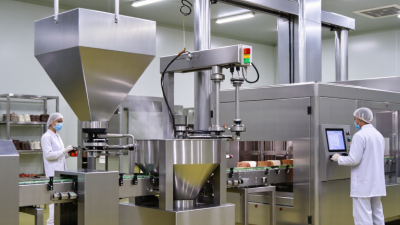
Food equipment manufacturers serve markets shaped by local diets, labor costs, climate, and production scale. Some specialize in mixing and thermal processing, while others focus on filling, slicing, freezing, or packaging. In bakery plants, durable mixers and ovens may matter more than high-speed packers. Seafood and prepared-food facilities often need compact, washable systems that handle frequent product changes.
Markets differ. Equipment designed for a large automated factory may not suit a smaller regional processor. Buyers should compare processing capacity, cleaning access, spare-parts availability, and technical support in their region. They should also check how equipment handles their actual ingredients and packaging formats. No comparison is perfect; published capacity figures rarely tell the whole story. A promising machine can still create bottlenecks when fitted into an older production line.
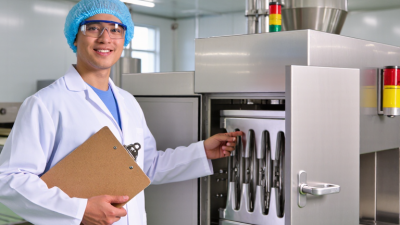
Tips: Ask for a test using your own product. Check service response times and confirm which parts are stocked locally. Walk through cleaning and changeover steps with operators before choosing equipment. The details matter. A supplier’s specialization is useful, but the fit with your plant matters more.
Choosing a food-processing equipment supplier means testing the whole working relationship, not just comparing prices. Check whether the machine handles your actual ingredients, batch sizes, and cleaning routines. Ask for a trial with your product. Watch how sauce drains from seams and how quickly operators can change formats. FAO’s 2019 State of Food and Agriculture estimated that 14% of food is lost between harvest and retail. Reliable conveying, temperature control, and gentle handling can help reduce avoidable losses along the chain.
Review hygienic design, documented performance, and service access before signing. Ask suppliers to explain clean-in-place coverage, spare-parts lead times, and response times for breakdowns. Request references from plants with similar products and operating conditions. Compare energy and water use at your expected throughput, not only at a best-case setting. A polished demonstration is useful, but it cannot replace a practical acceptance test. I would still leave room for surprises; even a careful checklist misses something.
Tips: Bring operators and maintenance staff into supplier discussions early. Run a factory acceptance test using your product, and record changeover time, cleaning access, and output. Details matter.
| Equipment Manufacturer Capability Area | Typical Equipment | Common Applications | Key Supplier Selection Factors | What to Verify |
|---|---|---|---|---|
| Ingredient preparation | Washers, peelers, cutters, slicers, grinders, and mixers | Preparing fruit, vegetables, meat, and other ingredients before further processing | Throughput at the required cut size; product yield; changeover time; compatibility with the ingredient’s size and texture | Run a product trial using representative ingredients and confirm output quality and usable capacity |
| Thermal processing | Cookers, blanchers, kettles, ovens, and heat exchangers | Cooking, blanching, heating, or cooling food products | Temperature uniformity; process control; heating or cooling capacity; suitability for the product and process | Review process validation requirements, temperature records, and applicable food-safety controls |
| Mixing and emulsifying | Batch mixers, high-shear mixers, and emulsifying systems | Sauces, dressings, dairy products, fillings, and prepared foods | Batch size; mixing consistency; shear requirements; ingredient-addition method; cleanability | Check product results at the intended recipe, batch size, and operating speed |
| Separation and filtration | Filters, strainers, centrifuges, and separators | Removing solids or separating components in liquids and semi-liquid foods | Separation performance; product loss; operating capacity; screen or filter change frequency | Compare performance using the actual product and required particle or separation specification |
| Filling and dosing | Liquid, paste, powder, and solid-product filling or portioning machines | Filling containers or portioning products for downstream packaging | Fill accuracy; product range; container compatibility; line speed; ease of format change | Confirm accuracy and speed across the intended container sizes and product viscosities |
| Forming and portioning | Depositors, moulders, extruders, and portioning systems | Forming dough, confectionery, meat products, and other portion-controlled foods | Weight consistency; shape repeatability; product handling; tool-change time | Assess representative product samples for dimensions, weight variation, and handling damage |
| Conveying and material handling | Food-grade belts, conveyors, elevators, and transfer systems | Moving products between preparation, processing, and packaging stages | Line layout; product orientation; transfer points; cleanability; integration with adjacent equipment | Review the complete line layout, including access for cleaning and maintenance |
| Packaging and sealing | Wrapping, bagging, tray-sealing, and carton-packaging equipment | Protecting processed foods and preparing products for distribution | Package format; sealing quality; rated speed; changeover needs; compatibility with packaging materials | Test the selected packaging material and confirm seal integrity and line performance |
| Cleaning and sanitation systems | Clean-in-place systems, washdown equipment, and sanitation support equipment | Cleaning food-processing equipment and production circuits | Coverage; cleaning-cycle control; water and chemical use; compatibility with the process equipment | Confirm cleaning procedures are validated for the specific equipment and production process |
| Inspection and quality control | Checkweighers, metal detectors, X-ray inspection systems, and vision systems | Checking packaged or unpackaged products for specified quality or foreign-body controls | Detection or inspection capability; line speed; product and package effects; rejection handling | Validate performance with suitable test pieces or reference samples under operating conditions |
+44 (0)1373 831 373