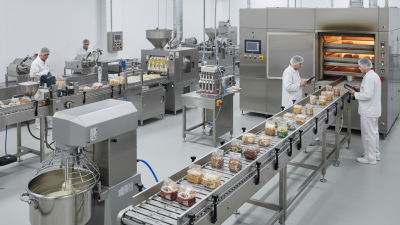
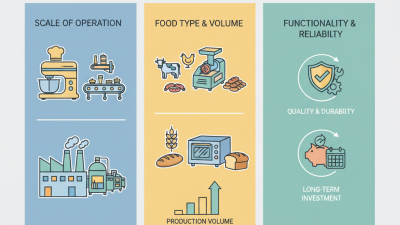
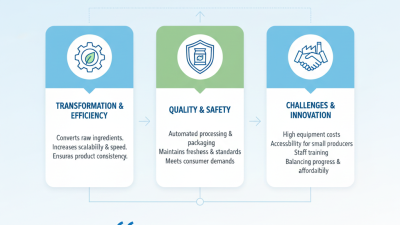
Choosing the right food machinery equipment manufacturer can shape a plant’s safety, output, and long-term profitability. This matters from the first conveyor to the final cleaning cycle.
Our guide, “Top 10 Food Machinery Equipment Manufacturers Worldwide,” examines companies serving bakery, dairy, beverage, meat, packaging, and ready-meal operations. It considers engineering depth, automation, hygiene design, energy use, after-sales service, and documented customer experience. A fast machine is not always the best machine. It may waste ingredients, increase downtime, or complicate sanitation.
Food engineering expert Dr. R. Paul Singh has described food processing as “the transformation of raw materials into food products by physical or chemical means.” That simple view keeps equipment selection practical. Machines must protect texture, temperature, yield, and consistency. They must also fit the workers using them every day.
We look beyond impressive brochures. We consider stainless-steel construction, accessible components, sensor accuracy, spare-parts support, and cleaning access around seals and valves. Small details matter. A poorly placed drain can create hours of maintenance trouble.
Manufacturers differ by region, specialization, and production scale. Some excel in high-speed packaging. Others lead in thermal processing, mixing, forming, or intelligent control systems. No list is perfect. Market data changes, and a respected brand may still deliver an unsuitable solution for a specific factory.
This overview offers a careful starting point for buyers, engineers, and investors. Readers should verify certifications, local service capacity, installation records, and total ownership costs before making a final decision. Reliability is proven on the factory floor.
Food machinery equipment manufacturers design, build, and service machines used to process, package, inspect, and preserve food. Their scope extends beyond individual machines. It includes engineering software, hygienic design, automation, spare parts, validation, and operator training. Typical equipment ranges from mixers and cutters to thermal processors, filling systems, conveyors, and inspection units. In practical plant audits, the machine itself is only one part of performance. Cleaning access, changeover time, product-contact materials, and reliable documentation matter just as much. Small details matter.
A manufacturer qualifies through technical capability, controlled production, testing, and responsive after-sales support. Evidence may include factory acceptance tests, traceable materials, sanitation procedures, and performance data under defined conditions. Buyers should examine throughput, temperature control, energy use, worker safety, and compatibility with local utilities. Certifications can support trust, but they do not replace site trials or careful contract review. Published capacity figures sometimes assume ideal products and skilled operators. Real production is less tidy.
The worldwide market covers companies serving dairy, bakery, plant-based foods, beverages, frozen foods, and prepared meals. Some specialize in one process, while others deliver integrated lines with coordinated controls. Comparing manufacturers requires a consistent scope: product type, automation level, service territory, compliance expectations, and total ownership cost. A top-ten list can be useful, yet rankings remain imperfect because public data varies by region and application. Independent technical advice can reveal hidden limitations before installation.
Top 10 Food Machinery Equipment Manufacturers Worldwide
Ranking the world’s leading food machinery manufacturers requires more than measuring production capacity. A reliable assessment should examine engineering experience, verified performance, hygiene design, and long-term service quality. Equipment must handle real factory conditions, including temperature changes, cleaning cycles, product variation, and continuous operation. Documented uptime, maintenance records, and independently verified safety certifications provide stronger evidence than attractive marketing claims.
Professional buyers should also compare customization, operator training, spare-parts availability, energy consumption, and total ownership costs. A machine with a lower purchase price may create higher expenses through downtime or difficult cleaning. Factory visits and customer references can reveal practical details, such as noise levels, changeover time, and access to internal components. No ranking is flawless. Missing data may indicate weak reporting, not necessarily poor machinery.
Tips: Use a weighted scoring system before comparing suppliers. Give greater weight to hygiene, reliability, service response, and verified production results. Check whether performance claims match equipment used in similar factories. Review several references, not just one. Ask for realistic output figures, including cleaning and changeover periods. Small details matter. A ranking should remain open to revision when new evidence appears.
Transparent evaluation framework based on measurable technical, commercial, compliance and service indicators
| No. | Evaluation Dimension | Weight | Measurable Indicators | Verification Sources |
|---|---|---|---|---|
| 1 | Industry Experience | 10% | Years producing food-processing, packaging or handling equipment; documented installations and application expertise. | Company records, audited project references and published technical documentation. |
| 2 | Product Portfolio | 12% | Breadth of equipment covering processing, filling, conveying, thermal treatment, inspection and packaging applications. | Technical catalogs, product specifications and application case studies. |
| 3 | Engineering and Customization | 12% | Ability to provide line integration, automation, hygienic design, format changes and equipment configured for different products. | Factory acceptance tests, engineering specifications and customer project documentation. |
| 4 | Food Safety and Hygienic Design | 15% | Use of cleanable materials, sanitary construction, drainage, contamination-control features and designs compatible with food hygiene requirements. | Hygienic design reviews, material certificates, sanitation procedures and applicable industry certifications. |
| 5 | Quality Management | 10% | Documented quality-control processes, traceability, inspection procedures and corrective-action systems. | Valid ISO 9001 certification, inspection records and quality manuals. |
| 6 | Automation and Digital Capability | 10% | Machine controls, data collection, remote diagnostics, production monitoring and compatibility with factory automation systems. | Control-system specifications, software documentation and integration test reports. |
| 7 | Energy and Resource Efficiency | 8% | Energy consumption, water use, compressed-air demand, heat recovery and waste-reduction features measured during operation. | Performance tests, utility-consumption data and environmental product documentation. |
| 8 | Global Compliance and Safety | 10% | Compliance with applicable machinery safety, electrical, pressure, electromagnetic compatibility and market-access requirements. | Declarations of conformity, risk assessments, test reports and regulatory certificates. |
| 9 | After-Sales Service | 8% | Availability of spare parts, preventive maintenance, technical training, field service and response support. | Service-level agreements, support-center coverage and spare-parts documentation. |
| 10 | Market Reputation and Reliability | 5% | Verified operating references, delivery performance, warranty history and long-term customer support capability. | Independent customer references, warranty records and documented delivery-performance data. |
| Total Ranking Weight | 100% | Scores should be supported by comparable, current and independently verifiable evidence. | ||
The top ten global food machinery manufacturers are best judged by practical performance, not publicity alone. Their profiles reveal different strengths across processing, filling, packaging, refrigeration, and inspection equipment. Some specialize in high-speed lines, while others build flexible systems for smaller factories. Reliable manufacturers usually provide documented testing, hygienic design, operator training, and responsive maintenance support.
The leading profiles also show clear technical differences. One manufacturer may excel at stainless steel mixing vessels, while another focuses on automated portioning or thermal processing. Several companies design complete production lines, including conveyors, sensors, cleaning systems, and controls. Others offer modular machines that reduce replacement costs. In factory visits, small details matter: smooth welds, accessible valves, guarded moving parts, and readable control panels. A polished brochure proves little. Verified output data matters more. Rankings can change by region, budget, and product type, so calling any list permanent would be careless.
Tips: Compare total ownership cost, not only the purchase price. Request trial runs using your actual ingredients. Check cleaning time, spare-part availability, energy use, and local service capacity. Ask for references from facilities with similar production volumes. Leave room for human judgment; automation can improve consistency, but poorly trained operators still create avoidable waste. Specifications may look impressive. Daily usability decides more.
Top 10 Food Machinery Equipment Manufacturers Worldwide
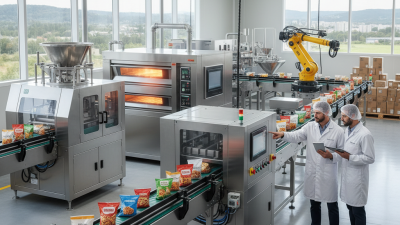
Leading food machinery manufacturers compete through practical technologies, not impressive brochures alone. Their equipment categories cover washing, cutting, mixing, cooking, baking, filling, sealing, and secondary packaging. Modern processing lines often combine stainless steel frames, servo motors, programmable controls, and hygienic conveyor systems. These features support consistent output and easier cleaning.
Inspection technology is equally important. Vision systems detect damaged products, incorrect labels, and uneven portions. Checkweighers help control giveaway without slowing production. Refrigeration, freezing, and drying equipment protect texture and shelf life when properly calibrated. Many advanced lines also include cleaning-in-place systems, digital traceability, and remote performance monitoring. However, automation cannot fix poor raw materials or weak maintenance routines.
Tips: Match equipment capacity with real production demand, not an optimistic forecast. Confirm washdown ratings, spare-part access, operator training, and integration limits before purchasing. Small details matter.
Engineers should test changeover time with actual products. A machine may perform well during a demonstration but struggle with sticky fillings or irregular shapes. Energy use, water consumption, noise, and worker access deserve equal attention. Some specifications remain unclear until installation begins. That is a useful warning. Reliable manufacturers provide validation data, safety documentation, and responsive technical support. Buyers should still challenge every claim and request measurable results under realistic factory conditions.
Top 10 Food Machinery Equipment Manufacturers Worldwide
Comparing market reach, innovation, and industry applications requires more than counting factory locations. Leading manufacturers often serve several regions through local engineers, spare-parts centers, and multilingual training teams. Their equipment appears in bakeries, beverage plants, meat-processing facilities, and prepared-food factories. However, broad distribution does not always mean stronger performance. A supplier may have excellent global coverage but limited support in smaller markets.
Innovation is visible in practical details. Modern systems may use sensors to monitor temperature, filling accuracy, energy consumption, and cleaning cycles. Modular designs can help producers change product formats without replacing complete production lines. Automation also reduces repetitive labor, yet it demands trained operators and reliable maintenance. In my experience, impressive demonstrations can hide difficult software integration. Factory trials and documented performance data remain essential before purchasing.
Tips: Compare the equipment with your real production conditions. Check throughput at your target product weight, not only the advertised maximum. Ask about sanitation access, spare-part availability, and technician response times. Review total operating costs, including water, energy, packaging waste, and scheduled maintenance. Small details matter.
Industry application should guide the final decision. A compact machine may suit a regional bakery, while a high-capacity system fits a multinational beverage plant. Food safety documentation, operator training, and upgrade options deserve equal attention. No manufacturer is perfect. Even strong suppliers may require closer evaluation in unfamiliar climates or production environments.
+44 (0)1373 831 373