Why Is Food Machinery Important for Global Buyers?
Why Is Food Machinery Important for Global Buyers?
Food machinery is no longer a simple production purchase. It affects food safety, labor efficiency, product consistency, and long-term operating costs. A filling line, retort system, or optical sorter can determine whether a factory meets rising market expectations. Buyers must examine cleaning access, changeover time, energy use, spare-part availability, and operator training. These details matter more than attractive catalog photographs.
The FAO’s State of Food Security and Nutrition in the World 2024 reported that about 733 million people faced hunger in 2023. It also recorded approximately 2.33 billion people experiencing moderate or severe food insecurity. Reliable processing equipment can help manufacturers reduce waste and produce safer food at larger scale. PMMI industry reports also identify automation, digitalization, and sustainable packaging as major investment priorities. These trends are visible on factory floors, where sensors track temperature, pressure, and downtime.
Stefan Scheiber, CEO of Bühler Group, has stated, “We need to produce more food with fewer resources.” This principle explains why global buyers increasingly compare lifecycle value, not only purchase price. Yet machinery is not a magic solution. Poor maintenance, weak technical support, and unsuitable local utilities can undermine an excellent installation. Reported market figures also vary between research firms, so buyers should verify definitions and data sources carefully. The strongest purchasing decision combines audited supplier records, factory trials, realistic capacity tests, and experienced engineering judgment. Small details often decide the result.
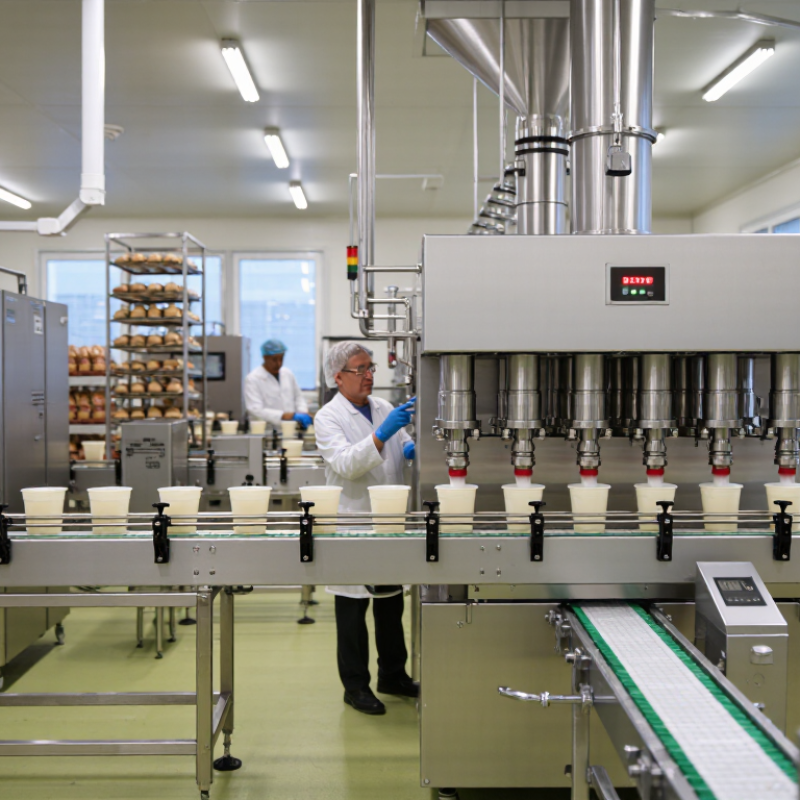
What Is Food Machinery and Why Does It Matter?
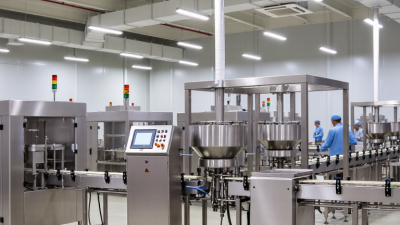
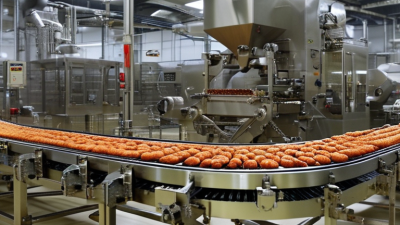
Food machinery refers to the equipment used to process, handle, package, and preserve food. It includes mixers, cutters, fillers, conveyors, ovens, cooling systems, and sealing machines. Each machine supports a specific production stage. Together, they turn raw ingredients into consistent, market-ready products.
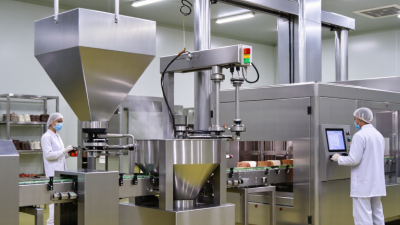
For global buyers, this equipment matters because food production depends on control. A temperature probe can prevent uneven baking. A stainless steel conveyor can reduce contamination risks when cleaned correctly. Accurate filling systems also limit waste, especially with liquids, sauces, or powdered ingredients. Machinery affects labor needs, production speed, product quality, and workplace safety. These details are practical, not theoretical. A buyer should examine capacity, power requirements, cleaning access, spare parts, and operator training before approving a purchase.
The cheapest option is not always economical. A low purchase price may hide difficult maintenance or excessive energy use. This is where judgment becomes imperfect. Production forecasts can change, and a machine selected for today may become too small next year. Reliable buyers should request test results, material certificates, safety documents, and clear performance limits. Factory visits or live trials can reveal problems that brochures do not show. Small details matter. A narrow cleaning gap, delayed technical support, or unstable sealing temperature can create daily production trouble. Good machinery is therefore more than metal and motors; it is a controlled system that must fit real working conditions.
How Food Machinery Supports Global Production and Processing
Food machinery supports global production and processing by turning variable farm outputs into consistent, safe products. The OECD-FAO Agricultural Outlook 2024-2033 projects global agricultural production to grow about 1.1% annually. This increase depends heavily on productivity, not simply expanding farmland.
A modern processing line can wash 10,000 kilograms of vegetables daily, remove damaged pieces, and control cutting thickness within millimeters. Sensors record temperature, moisture, and processing time. These details reduce quality variation between different harvests and suppliers. Automated filling also limits direct handling, which supports hygiene management and traceability. Small improvements matter.
The United Nations projects nearly 9.7 billion people by 2050. Food processors will need higher output with less water, energy, and raw-material loss. The UNEP Food Waste Index Report 2024 estimates that over one billion tonnes of food were wasted in 2022. Better peeling, sorting, portioning, and storage equipment can reduce avoidable losses, although machinery alone cannot solve poor planning. That part is often underestimated. A line that runs quickly but creates excessive waste is not truly efficient. Global buyers should examine cleaning access, spare-part availability, operator training, and data records before purchasing. Capacity figures can look impressive on paper. Real performance depends on the material, shift conditions, and maintenance discipline.
Which Benefits Does Food Machinery Offer International Buyers?
For international buyers, food machinery offers more than faster production. It can reduce waste, improve hygiene, and create repeatable product quality. The FAO’s State of Food and Agriculture 2019 estimated that 14% of food is lost between harvest and retail worldwide. A well-calibrated washer, cutter, dryer, or filling machine can protect valuable raw materials. Operators may see fewer damaged pieces and more consistent portion sizes.
That matters.
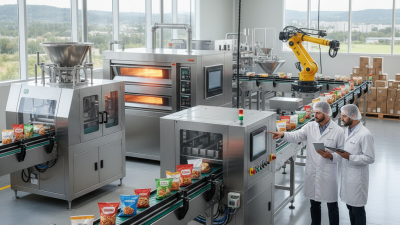
Automation also helps plants manage labor pressure. The International Federation of Robotics reported 541,302 industrial robots were installed globally in 2023. Food processors increasingly use robotic systems for weighing, picking, packing, and palletizing. These applications reduce repetitive handling and support safer workflows. Stainless-steel surfaces, cleanable frames, and tool-free access can simplify sanitation checks. However, machinery does not solve every production problem. Poor settings can still create waste.
International buyers should examine voltage, water quality, cleaning methods, spare parts, and operator training. Sensors can record temperature, weight, and production time, supporting traceability across borders. Local service availability matters, especially when a sealing unit fails during a busy export order.
A cheap machine can become expensive.
That is the uncomfortable part. Buyers sometimes focus on purchase price and overlook installation skills or maintenance intervals. Practical trials with local ingredients can reveal problems before shipment.
Small details matter.
What Factors Should Global Buyers Consider Before Purchasing?
Why Is Food Machinery Important for Global Buyers?
Global buyers should assess food machinery beyond its purchase price. The real question is whether it delivers safe output under local operating conditions. FAO’s The State of Food and Agriculture 2022 estimated that 13.2% of food is lost between harvest and retail. That figure makes dosing accuracy, gentle handling, and reliable sealing commercially important. Small losses accumulate. A fast machine can still be wasteful.
WHO estimates that unsafe food causes about 600 million illnesses and 420,000 deaths globally each year. Buyers should therefore examine hygienic design, food-contact materials, cleaning access, and contamination controls. Ask for validation records, not only attractive brochures. Check whether the machine supports local voltage, water quality, temperature ranges, and production skills. Codex food hygiene guidance also emphasizes process control and cleanable equipment. Paper compliance is not enough.
Total ownership cost needs equal attention. Request realistic tests using the buyer’s actual ingredients, viscosity, packaging, and target speed. Confirm spare-part availability, technician response times, training, and software support. Measure energy and water consumption during production, not during an ideal demonstration. PMMI industry reports continue to highlight labor availability and flexible automation as major equipment concerns. I would not trust a showroom test alone. A perfect specification rarely exists, and buyers may overlook simple changeover problems until production begins.
How Does Food Machinery Shape the Future of the Food Industry?
Food machinery is reshaping the future of the food industry through efficiency, safety, and measurable resource control. The United Nations Environment Programme reported that 1.05 billion tonnes of food were wasted in 2022. Better filling, chilling, sorting, and packaging systems can reduce losses before products reach consumers. Small temperature changes matter. A reliable cold-chain machine can protect texture, shelf life, and food safety during long shipments.
Digital machinery adds another layer. Sensors can record temperature, pressure, weight, and cleaning cycles in real time. This supports faster inspections and clearer traceability for global buyers.
The Food and Agriculture Organization estimates that 13.2% of food is lost between harvest and retail. Automated grading and gentle conveying may reduce damage in that difficult middle stage.
However, data alone cannot repair poor maintenance or weak operator training. That point is often underestimated.
Energy performance will also shape purchasing decisions. The International Energy Agency reports that industry remains a major global energy user, making efficient motors and heat systems commercially important. Buyers should examine energy consumption per kilogram of finished product, not only the machine’s purchase price.
Modular equipment can suit changing production volumes and local labor conditions. Yet highly automated lines are not always the best answer. They may increase downtime when spare parts, technicians, or reliable software support are unavailable.
The future will favor machinery that is efficient, cleanable, repairable, and adaptable. Not merely impressive.